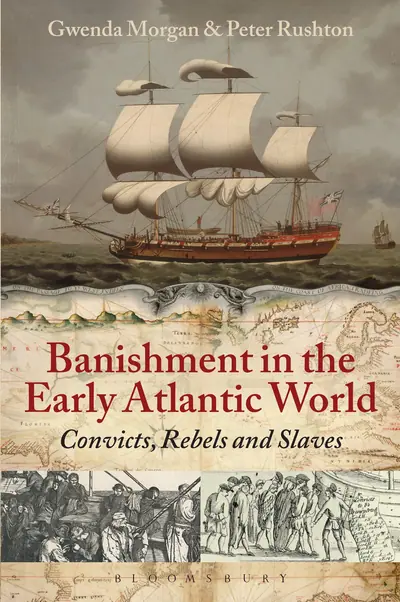
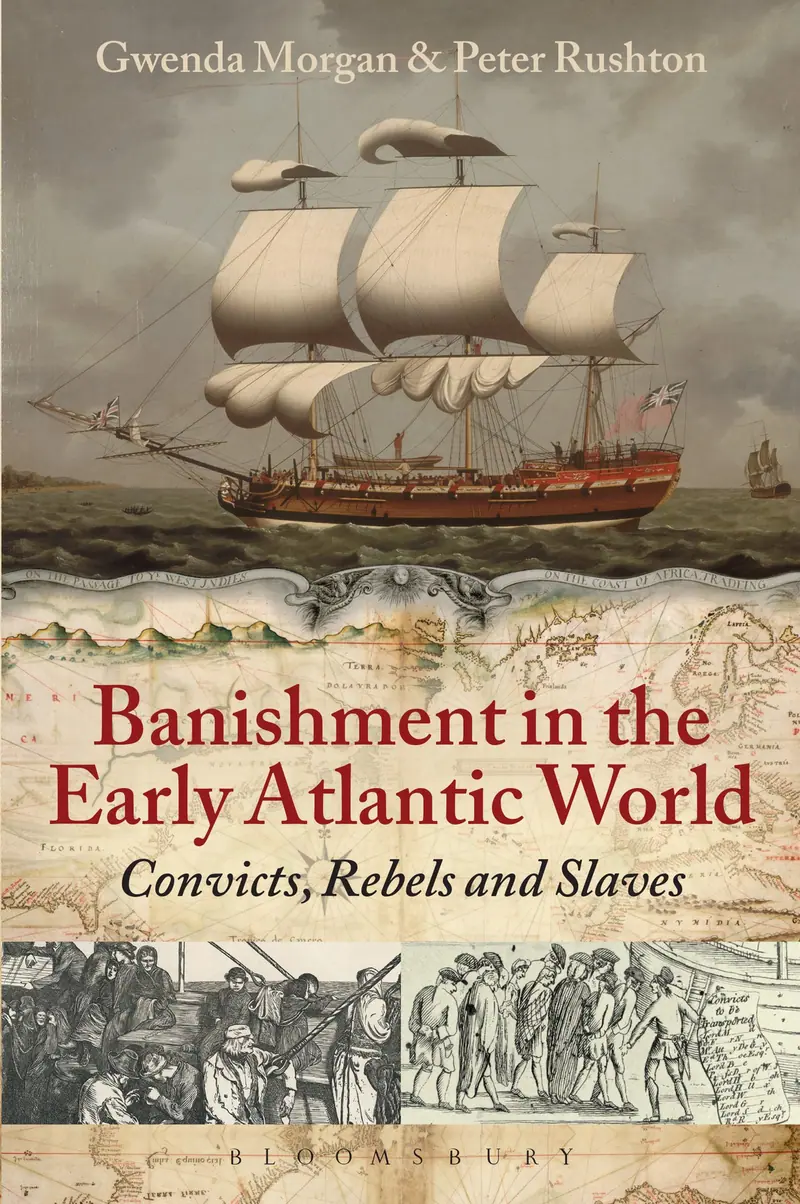
Banishment in the Early Atlantic World: Convicts, Rebels and Slaves
Peter; Morgan, Gwenda Rushton
Banishing troublesome and deviant people from society was fundamental to the early modern Atlantic world. Whether Irish or Scottish rebels, English criminals, gypsies, native Americans, or African slaves, many people were in danger of being processed by law and banished to another place. Many…
Banishing troublesome and deviant people from society was fundamental to the early modern Atlantic world. Whether Irish or Scottish rebels, English criminals, gypsies, native Americans, or African slaves, many people were in danger of being processed by law and banished to another place. Many European countries removed their rebels, paupers and convicted criminals to remote communities where they could be simultaneously punished and, with luck, reformed. In the American Revolution those loyal to Britain were threatened with banishment if they did not swear allegiance to the United States, and many were driven into exile. This book explores the legal and political development of forced migration, focusing on Britain and America. Using examples including individual narratives, collective experiences, and case studies of legal and political strategies from the Atlantic world, it explores how victims were chosen for banishment and considers the impact on people's lives. The authors go on to consider the role of print in disseminating these stories and propose a framework for further study.