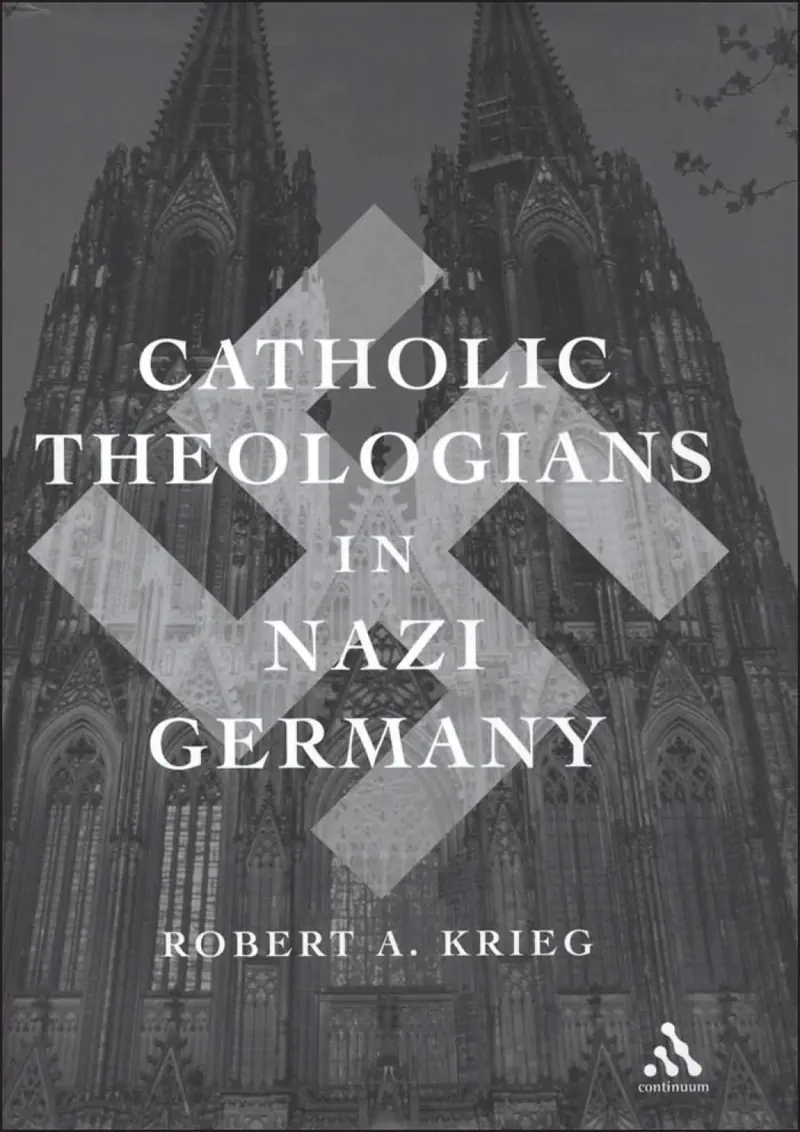
Catholic and Protestant bishops during the period of the Third Reich are often accused of being either sympathetic to the Nazi regime or at least generally tolerant of its anti-Jewish stance so long as the latter did not infringe on the functions of the church. With some notable exceptions that…
Catholic and Protestant bishops during the period of the Third Reich are often accused of being either sympathetic to the Nazi regime or at least generally tolerant of its anti-Jewish stance so long as the latter did not infringe on the functions of the church. With some notable exceptions that accusation is extended to many lesser figures, including seminary professors and pastors. Most notably the exceptions include such martyred heroes as Dietrich Bonhoeffer and Max Metzger, religious activists and writers still of great influence.
Among Catholic theologians the record is no less cloudy. 'Theology and Politics', while discussing a range of religious scholars, focuses on five major theologians who were born during the Kulturkampf, came to maturity and International recognition during the Hitler era, and had an influence on Catholicism in the English-speaking world. Three were in varying degrees and for varying lengths of time sympathetic to the professed goals of the Third Reich: Karl Adam, Karl Eschweiler, and Joseph Lortz. The other two, Romano Guardini and Engelbert Krebs, were publicly critical of the new regime.
The interplay of theology and politics to which the title refers is evident in the fact that while all the theologians differed from the classic theology of the church as a 'perfect society' and were 'progressive' in their rejection of neo-scholastic methodology, they differed among themselves in envisaging the church either as the enemy of modernity (Adam, Eschweiler and Lortz) or as it's religious dialogue partner (Guardini and Krebs).