
Cultural Memory of Language: Contemporary Applied Linguistics Volume 5
cover
Wish list
Share
Share this book
Readership
Cultural Memory of Language: Contemporary Applied Linguistics Volume 5
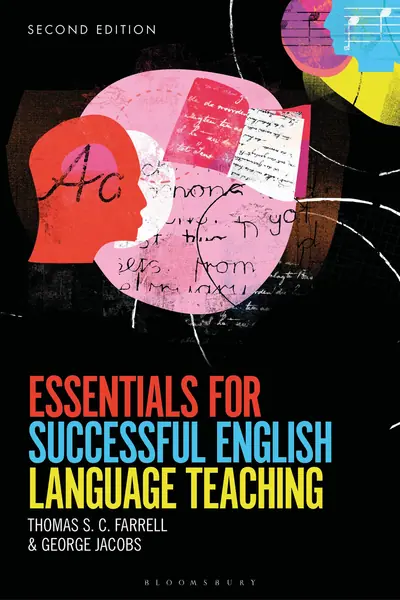
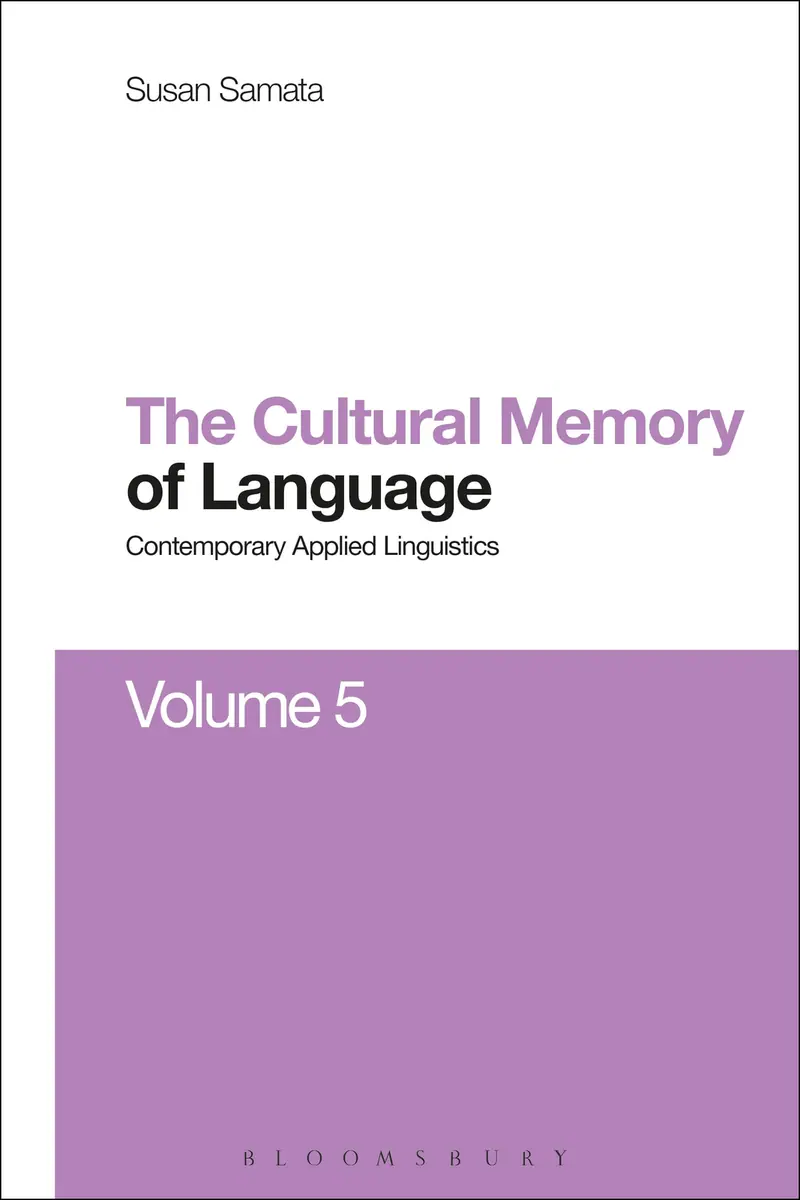
I can't even speak my own language, were the words overheard in a college staffroom that triggered the writing of this book. Calling something 'my own' implies a personal, proprietorial relationship with it. But how can it be your own if you cannot speak it? The Cultural Memory of Language looks at…
Buy now $300.00
readership.com.au/book/cultural-memory-of-language-contemporary-applied-linguistics-volume-5
Cultural Memory of Language: Contemporary Applied Linguistics Volume 5
Contemporary Applied Linguistics Volume 5
About this book
I can't even speak my own language, were the words overheard in a college staffroom that triggered the writing of this book. Calling something 'my own' implies a personal, proprietorial relationship with it. But how can it be your own if you cannot speak it?
The Cultural Memory of Language looks at unintended monolingualism - a lack of language fluency in a migratory cultural situation where two or more languages exist at 'home'. It explores family history and childhood language acquisition and attrition. What is the present everyday experience of language use and life between two cultures? Examining interview data, Samata uncovers a sense of inauthenticity felt by people who do not fully share a parent's first language. Alongside this features a sense of concurrent anger, and a need to assign blame. Participation in the language, even to the extent of phatic or formulaic phraseology, occasions feelings of authentic linguistic and cultural inclusion. The book thus uncovers appreciable (and measurable) benefits in positive self-image and a sense of well-being. Looking at how people view language is essential - how they view the language they call their own is even more important and this book does just that in a qualified applied linguistic environment.
Product details
ISBN
9781472583734
Published
20 November 2014
Format
Hardcover
Pages
200
Dimensions
1 × 1 × 1 mm
Weight
0.001 kg
Publisher
Bloomsbury
Imprint
BLM ACADEMIC UK
Audience
General Adult
ISBN
9781474288064
Published
19 May 2016
Format
Trade Paperback
Pages
208
Dimensions
231 × 154 × 15 mm
Weight
0.308 kg
Publisher
Bloomsbury
Imprint
BLM ACADEMIC UK
Audience
General Adult
Listed in
Best sellers in Language Acquisition
You might also like
Link copied