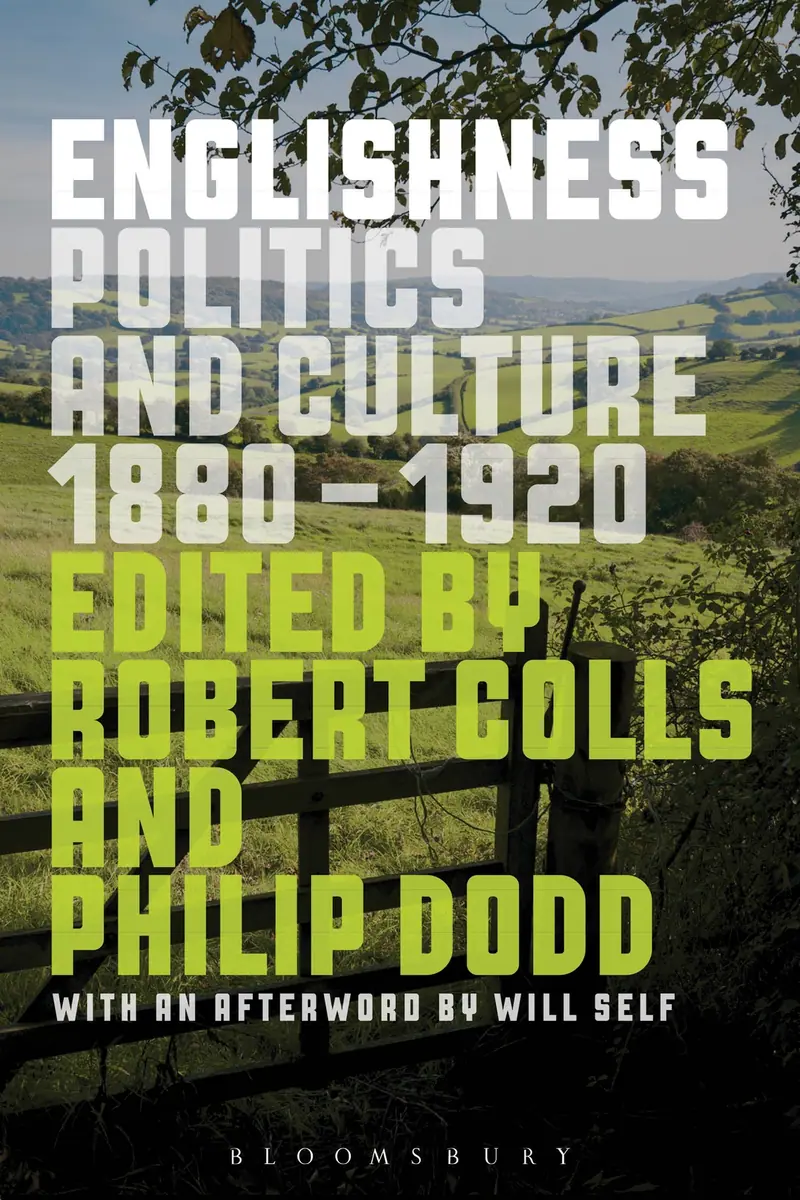
'Englishness' is by no means the defining quality of those living in the territory that has come to be England, but a concept that has been made and remade throughout history, expressing itself through existing symbols and ideas. This volume of wide-ranging essays constitutes a major work on…
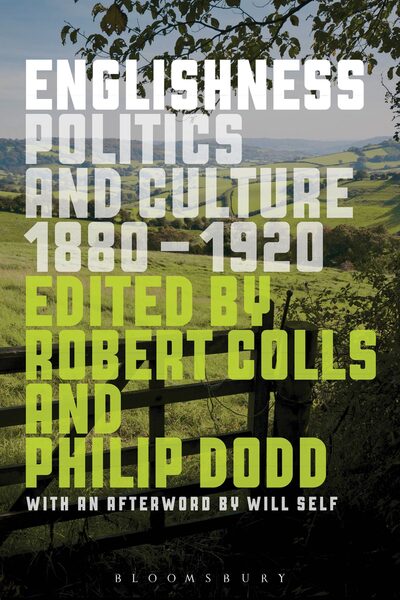
'Englishness' is by no means the defining quality of those living in the territory that has come to be England, but a concept that has been made and remade throughout history, expressing itself through existing symbols and ideas. This volume of wide-ranging essays constitutes a major work on English national identity and patriotism as it evolved during the period1880-1920, has had a significant impact on writing and research in the field and is considered a definitive text for students of modern British history and many other courses in politics, sociology and literature.
Divided into two sections, essays in the first half of the book explore Englishness and national culture, considering the English rural ideology that endured in spite of England's status as an industrial nation; the invention of English literature; the identity of English music and the reception of Elgar; and the constructed image of the 'Englishwoman' in the period. The second half of the book focuses on political culture, with essays discussing the Irish as 'marginal Britons'; the permeation of Liberalism into English society and politics after the fall of the party itself; the relationship between patriotism and Conservative politics; and the perhaps lesser-known role played by socialism in the construction of Englishness.
This updated edition of Englishness contains a new introduction and afterword, which set this key work in the context of research done since its original publication and relate it to current debates on the topic of Britain as a multi-national state. This important volume contains ideas that are still pertinent today, and its enduring contemporary relevance makes it essential reading for students and scholars today.