Print Culture, Crime and Justice in 18th-Century London
Richard M. Ward
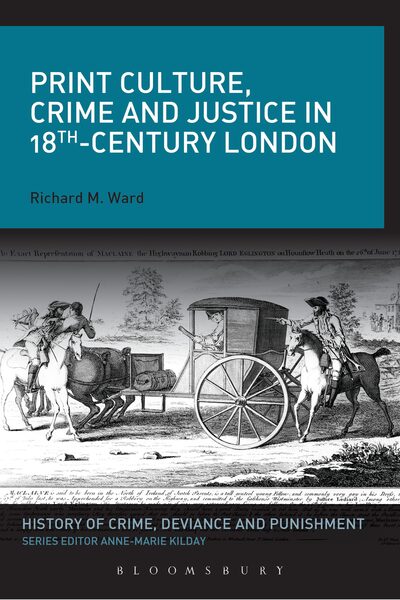
In the first half of the eighteenth century there was an explosion in the volume and variety of crime literature published in London. This was a 'golden age of writing about crime', when the older genres of criminal biographies, social policy pamphlets, and 'last-dying speeches' were joined by a…
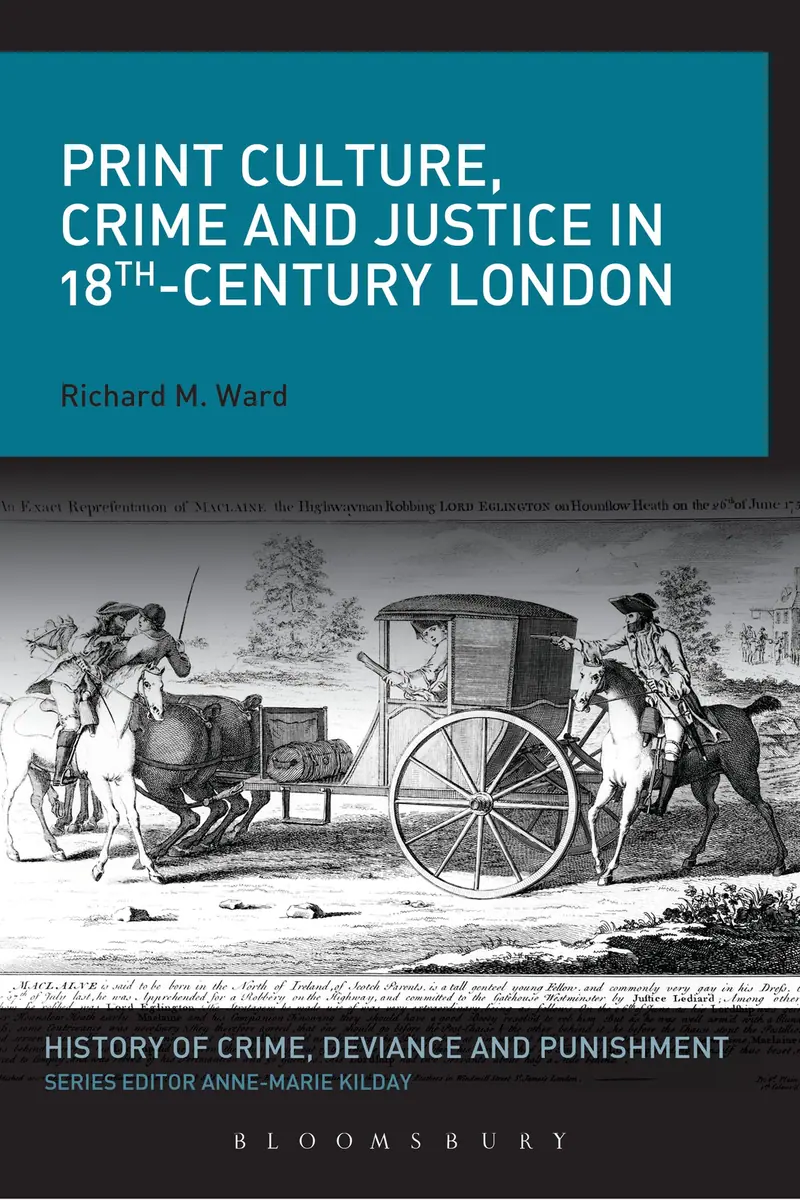
In the first half of the eighteenth century there was an explosion in the volume and variety of crime literature published in London. This was a 'golden age of writing about crime', when the older genres of criminal biographies, social policy pamphlets, and 'last-dying speeches' were joined by a raft of new publications, including newspapers, periodicals, prints, the Old Bailey Proceedings, and the Ordinary's Account of malefactors executed at Tyburn. By the early eighteenth century, propertied Londoners read a wider array of printed texts and images about everyday offenders highwaymen, housebreakers, pickpockets and the like than ever before or since. Print Culture, Crime, and Justice in Eighteenth-Century London provides the first detailed study of crime reporting across this range of publications to explore the influence of print upon contemporary perceptions of crime and upon the making of the law and its administration in the metropolis. This historical perspective helps us to rethink the relationship between media, the public sphere, and criminal justice policy in the present.