
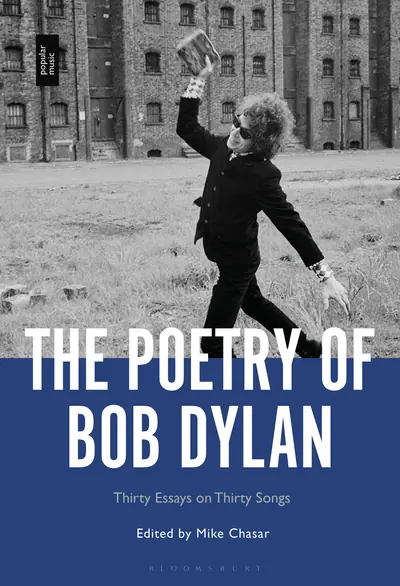
Romanticism, Literature and Philosophy: Expressive Rationality in Rousseau, Kant, Wollstonecraft and Contemporary Theory
cover
Wish list
Share
Share this book
Readership
Romanticism, Literature and Philosophy: Expressive Rationality in Rousseau, Kant, Wollstonecraft and Contemporary Theory
Simon Swift explores the ways in which philosophical discourse in the Romantic period used literature to express philosophical problems and paradoxes which philosophy increasingly found itself incapable of expressing on its own terms. He engages with a variety of Romantic writings, including…
Buy now $79.99
readership.com.au/book/romanticism-literature-and-philosophy-expressive-rationality-in-rousseau-kant-wollstonecraft-and-contemporary-theory
Romanticism, Literature and Philosophy: Expressive Rationality in Rousseau, Kant, Wollstonecraft and Contemporary Theory
Expressive Rationality in Rousseau, Kant, Wollstonecraft and Contemporary Theory
About this book
Simon Swift explores the ways in which philosophical discourse in the Romantic period used literature to express philosophical problems and paradoxes which philosophy increasingly found itself incapable of expressing on its own terms.
He engages with a variety of Romantic writings, including literature, philosophy and political theory, by, among others, Rousseau and Wollstonecraft and argues that contemporary new historicist approaches to Romanticism undervalue the complexity and the continued relevance of its philosophical claims. This argument is forcefully sustained through an examination of the impact of Immanuel Kant's thought on our contemporary view of Romanticism, and a comparison of that reception to the treatment of Kant in current literary theory, feminism and postcolonialism. These various critical discourses have assumed a formalist Kant who offers an ethically demanding philosophy that is inattentive to cultural and biological diversity. This book argues instead that the recent assault on Enlightenment, universalism and on aesthetic autonomy, in the name of particularity and heterogeneity underestimates the capacity of reason to orient itself towards forms of anthropological and literary difference. The book as such, argues that Kant and Romanticism, uncovered critical issues that still engage theorists today, and that hitherto these connections have been largely misconceived by critical studies of the period.
Product details
ISBN
9780826421319
Published
1 December 2008
Format
Paperback
Pages
192
Dimensions
1 × 1 × 1 mm
Weight
0.001 kg
Publisher
Bloomsbury
Imprint
BLM ACADEMIC UK
Audience
General Adult
ISBN
9780826486448
Published
8 June 2006
Format
Hardcover
Pages
192
Dimensions
231 × 167 × 1 mm
Weight
0.43 kg
Publisher
Bloomsbury
Imprint
BLM ACADEMIC UK
Audience
General Adult
Topics
Best sellers in Literary Criticism & History
You might also like

$19.99
$22.99
$19.99
$49.99
Link copied