

The Folktales of Palestine: Cultural Identity, Memory and the Politics of Storytelling
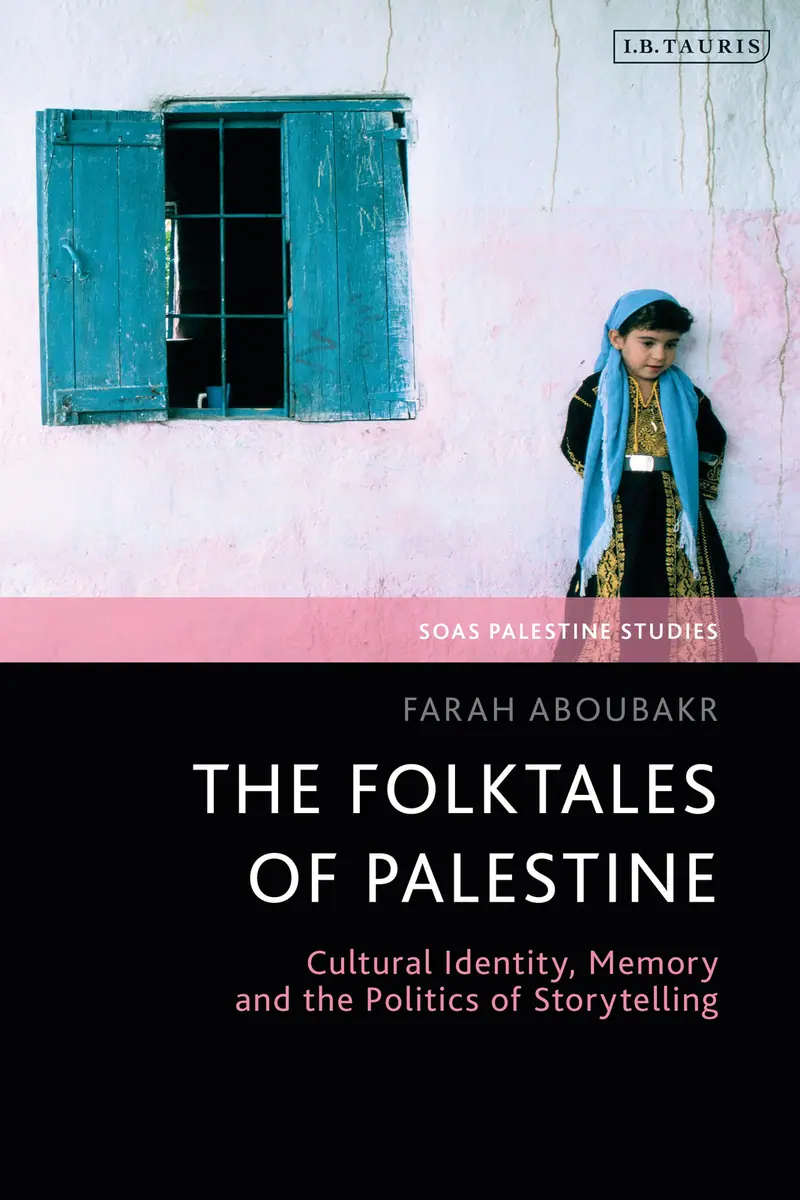
cover
Wish list
Share
Share this book
Readership
The Folktales of Palestine: Cultural Identity, Memory and the Politics of Storytelling
Folktales are instrumental in ensuring the survival of oral traditions and strengthening communal bonds. Both the stories and the process of storytelling itself help to define social, cultural and political identity. For Palestinians, the threat of losing their heritage has engendered a sense of…
Buy now $260.00
readership.com.au/book/the-folktales-of-palestine-cultural-identity-memory-and-the-politics-of-storytelling
The Folktales of Palestine: Cultural Identity, Memory and the Politics of Storytelling
About this book
Folktales are instrumental in ensuring the survival of oral traditions and strengthening communal bonds. Both the stories and the process of storytelling itself help to define social, cultural and political identity. For Palestinians, the threat of losing their heritage has engendered a sense of urgency among storytellers and Palestinian folklorists. Yet there has been remarkably little academic scholarship dedicated to the tradition.
Farah Aboubakr here analyses a selection of folktales edited, compiled and translated by Ibrahim Muhawi and Sharif Kanaana in Speak, Bird, Speak Again (1989). In addition to the folktales themselves, Muhawi and Kanaana's collection is renowned for providing readers with extensive folkloric, historical and anthropological annotations. Here, for the first time, the folktales and the compilers' work on them, are the subject of scholarly analysis. Synthesising various disciplines including memory studies, gender studies and social movement studies, Aboubakr uses the collection to understand the politics of storytelling and its impact on Palestinian identity. In particular, the book draws attention to the female storytellers who play an essential role in transmitting and preserving collective memory and culture. The book is an important step towards analysing a significant genre of Palestinian literature and will be relevant to scholars of Palestinian politics and popular culture, gender studies and memory studies, and those interested in folklore and oral literature.
Product details
ISBN
9781788314268
Published
21 March 2019
Format
Hardcover
Pages
256
Dimensions
1 × 1 × 1 mm
Weight
0.001 kg
Publisher
Bloomsbury
Imprint
I B Tauris
Audience
General Adult
ISBN
9780755650996
Published
23 February 2023
Format
Trade Paperback
Pages
256
Dimensions
233 × 155 × 18 mm
Weight
0.402 kg
Publisher
Bloomsbury
Imprint
I B Tauris
Audience
General Adult
Genres
Best sellers in Literary Studies (1900–Present)
You might also like
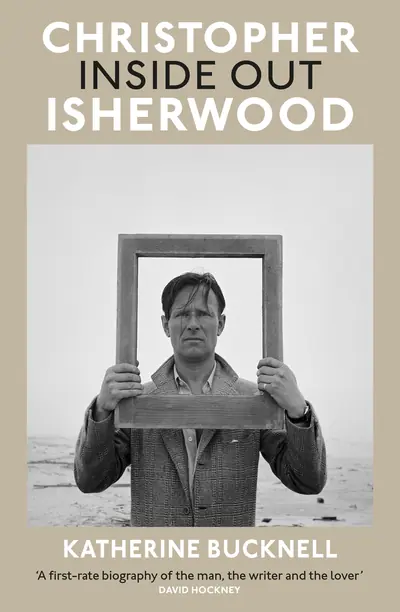
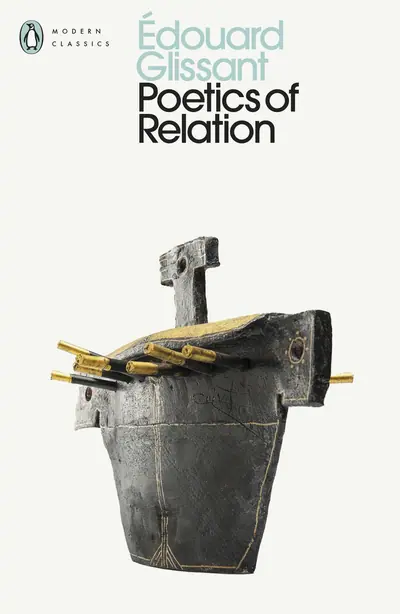

$26.99
Link copied