
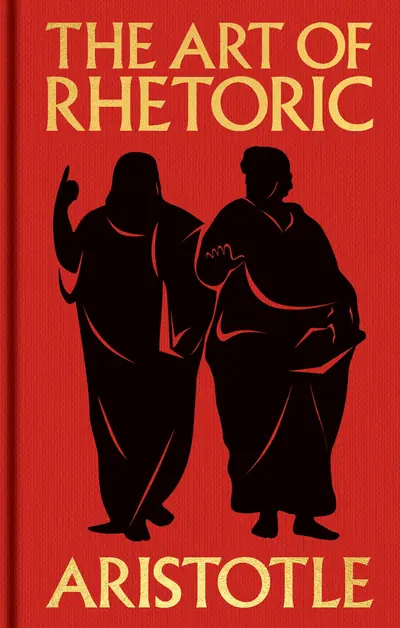
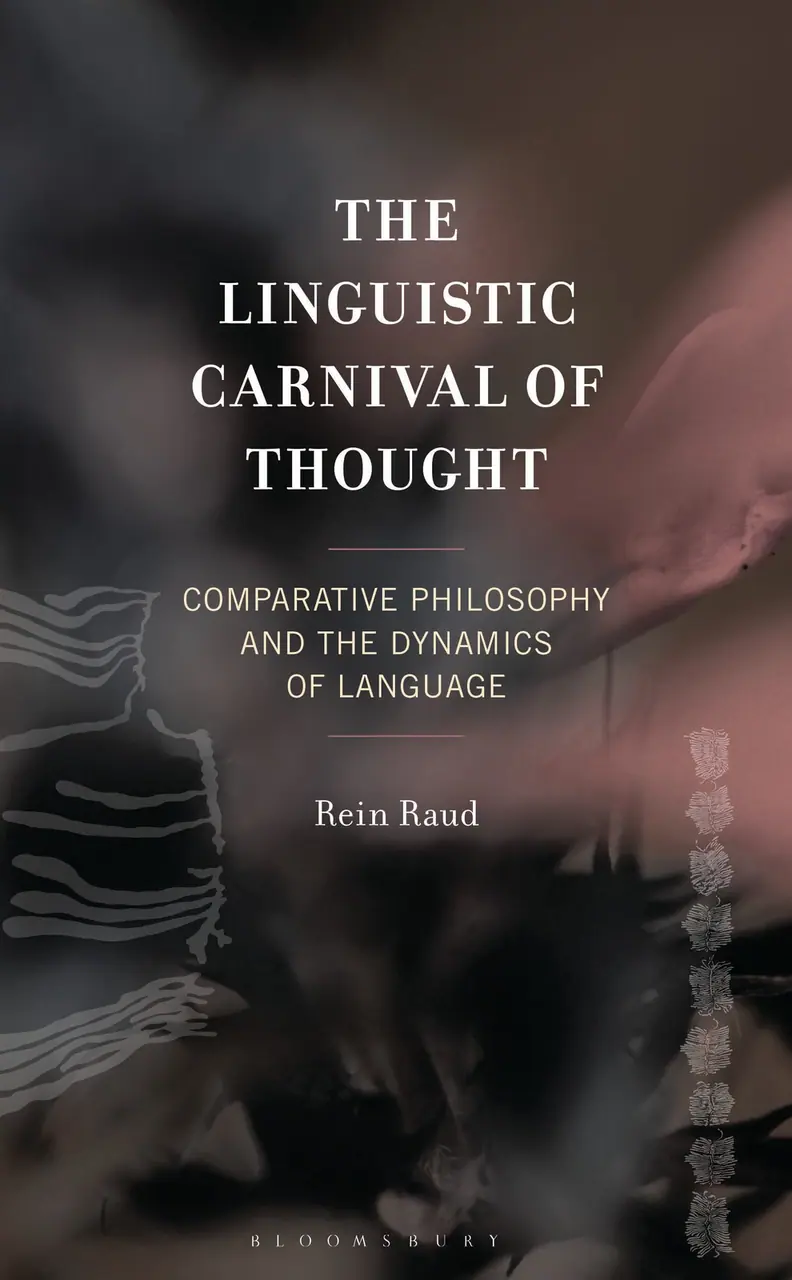
The Linguistic Carnival of Thought: Comparative Philosophy and the Dynamics of Language
cover
Wish list
Share
Share this book
Readership
The Linguistic Carnival of Thought: Comparative Philosophy and the Dynamics of Language
The Linguistic Carnival of Thought: Comparative Philosophy and the Dynamics of Language argues that the practice of philosophizing is significantly influenced by linguistic structures. Against the widespread view that all languages are reducible to the same matrix on a deep-structural level, Rein…
Buy now $45.00
readership.com.au/book/the-linguistic-carnival-of-thought-comparative-philosophy-and-the-dynamics-of-language
The Linguistic Carnival of Thought: Comparative Philosophy and the Dynamics of Language
About this book
The Linguistic Carnival of Thought: Comparative Philosophy and the Dynamics of Language argues that the practice of philosophizing is significantly influenced by linguistic structures. Against the widespread view that all languages are reducible to the same matrix on a deep-structural level, Rein Raud presents ample evidence to the contrary, demonstrating how different strategies of predication, postulation, negation, individuation, and so on vary greatly and present incompatible combinations in natural languages, which are nonetheless suitable for precise and rational argumentation.
This book compares the views of language presented by Plato, Kongzi/Xunzi, and Bhartrhari; discusses "pansemioticism," or the view that reality itself is significant (addressing Yijing, East Asian Buddhism, the Kabbalah, the philosophies of Peirce, Derrida, and others); juxtaposes the set-theoretical ontology of Badiou and the mereological worldview of Huayan Buddhism; and discusses various critiques of the idea of "truth" (Wittgenstein, Deleuze, Foucault) and a way to accommodate them through the logic of Dignaga, among other topics. With examples from languages and philosophical traditions across the world, the book is an ideal introduction to the problematic for monolingual speakers of English and a scintillating exploration for polyglots.
This book compares the views of language presented by Plato, Kongzi/Xunzi, and Bhartrhari; discusses "pansemioticism," or the view that reality itself is significant (addressing Yijing, East Asian Buddhism, the Kabbalah, the philosophies of Peirce, Derrida, and others); juxtaposes the set-theoretical ontology of Badiou and the mereological worldview of Huayan Buddhism; and discusses various critiques of the idea of "truth" (Wittgenstein, Deleuze, Foucault) and a way to accommodate them through the logic of Dignaga, among other topics. With examples from languages and philosophical traditions across the world, the book is an ideal introduction to the problematic for monolingual speakers of English and a scintillating exploration for polyglots.
Product details
ISBN
9781793646620
Published
21 August 2025
Format
Paperback
Pages
256
Dimensions
1 × 1 × 1 mm
Weight
0.001 kg
Publisher
Bloomsbury
Imprint
Bloomsbury Academic
Audience
General Adult
Best sellers in Philosophy
You might also like



$32.99
Pre-order


Link copied