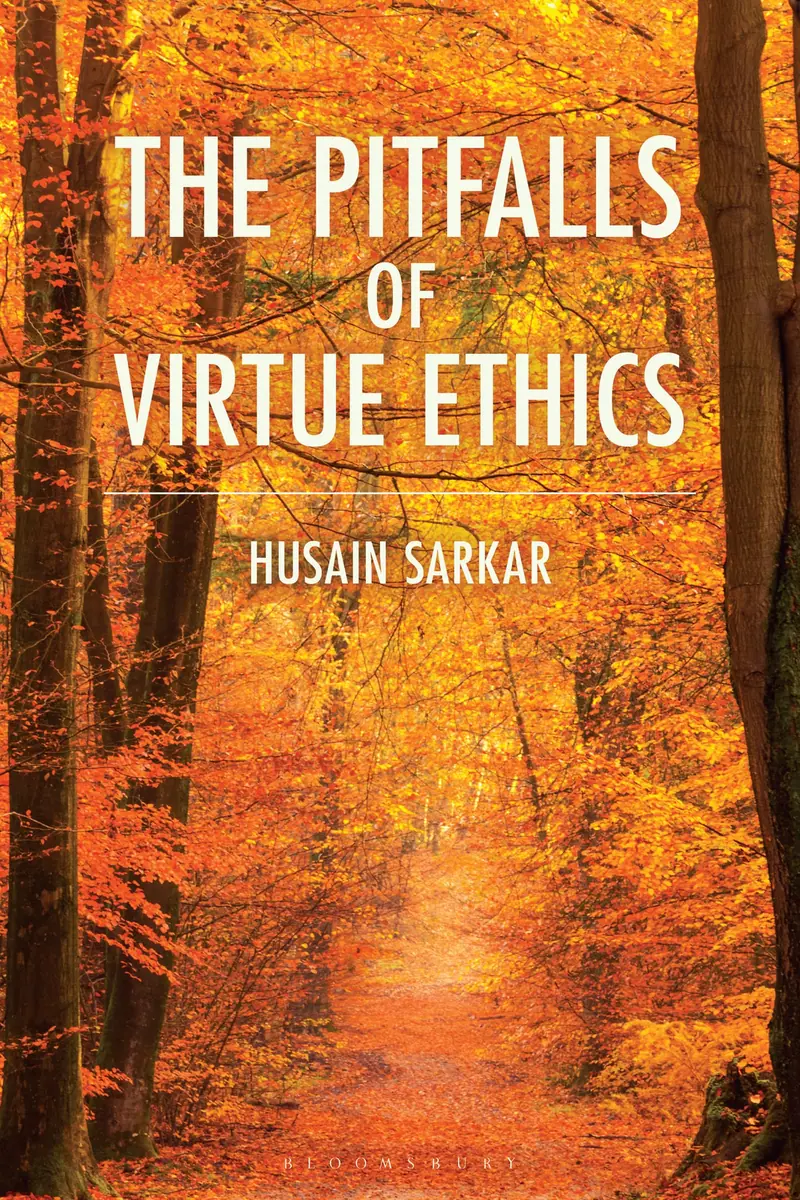
In this book, Husain Sarkar offers a remarkable look into the groundwork of virtue ethics. Especially focusing on theories proposed by Julia Annas and Rosalind Hursthouse, he examines a multiplicity of cardinal tenets of virtue ethics by bringing five cardinal objections namely, the self-defeating…
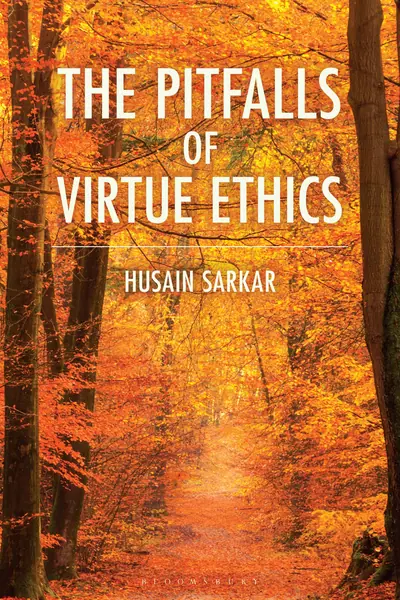
In this book, Husain Sarkar offers a remarkable look into the groundwork of virtue ethics.
Especially focusing on theories proposed by Julia Annas and Rosalind Hursthouse, he examines a multiplicity of cardinal tenets of virtue ethics by bringing five cardinal objections namely, the self-defeating objection, the circularity objection, the moral relativism objection, the explanatory poverty objection, and the inconsistent advice objection to bear upon them. These objections define the shape, scope, and substance of the book. Collectively, they unveil several fault lines, a few hitherto unsuspected. Sarkar argues that notwithstanding the novel, intriguing answers to old, familiar ethical questions, the answers are so fraught with difficulties, that virtue ethics as a philosophical moral tradition is best seen as badly in need of repair and reformation. Perhaps, this book may provoke a Renaissance in the field of virtue ethics.