

Writing the Self: Diaries, Memoirs, and the History of the Self
cover
Wish list
Share
Share this book
Readership
Writing the Self: Diaries, Memoirs, and the History of the Self
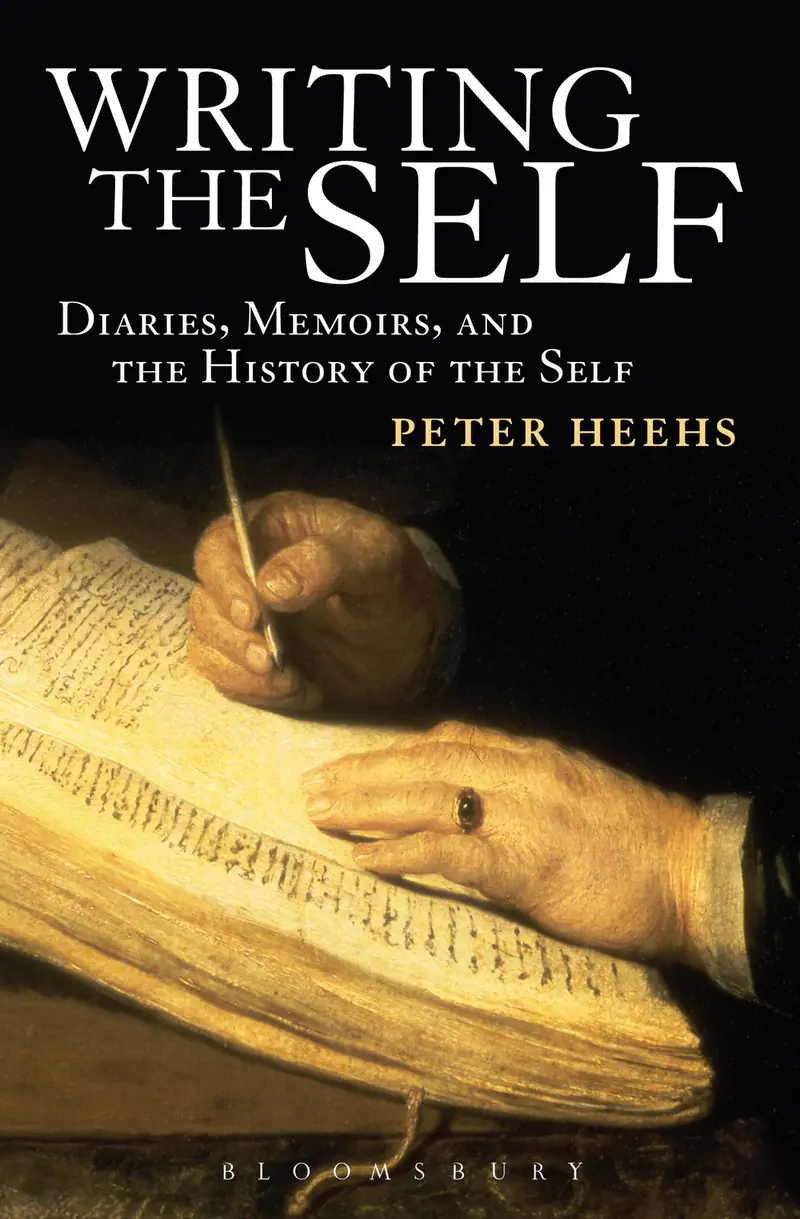
The self has a history. In the West, the idea of the soul entered Christianity with the Church Fathers, notably Augustine. During the Renaissance the idea of the individual attained preeminence, as in the works of Montaigne. In the seventeenth century, philosophers such as Descartes formulated…
Buy now $74.99
readership.com.au/book/writing-the-self-diaries-memoirs-and-the-history-of-the-self
Writing the Self: Diaries, Memoirs, and the History of the Self
About this book
The self has a history. In the West, the idea of the soul entered Christianity with the Church Fathers, notably Augustine. During the Renaissance the idea of the individual attained preeminence, as in the works of Montaigne. In the seventeenth century, philosophers such as Descartes formulated notions of selfhood that did not require a divine foundation; in the next century, Hume grew skeptical of the self's very existence. Ideas of the self have changed markedly since the Romantic period and most scholars today regard it as at best a mental construct.
First-person genres such as diaries and memoirs have provided an outlet for self-expression. Protestant diaries replaced the Catholic confessional, but secular diaries such as Pepys's may reveal yet more about the self. After Richardson, novels competed with diaries and memoirs as vehicles of self-expression, though memoirs survived and continue to thrive, while the diary has found a new incarnation in the personal blog. Writing the Self narrates the intertwined histories of the self and of self-expression through first-person literature.
Product details
ISBN
9781441168283
Published
11 April 2013
Format
Paperback
Pages
288
Dimensions
215 × 142 × 20 mm
Weight
0.404 kg
Publisher
Bloomsbury
Imprint
Bloomsbury Academic
Audience
General Adult
ISBN
9781441168023
Published
11 April 2013
Format
Hardcover
Pages
288
Dimensions
1 × 1 × 1 mm
Weight
0.001 kg
Publisher
Bloomsbury
Imprint
Bloomsbury Academic
Audience
General Adult
Topics
Best sellers in Literary Criticism & History
You might also like


$19.99
$22.99
$19.99


$49.99

Link copied