
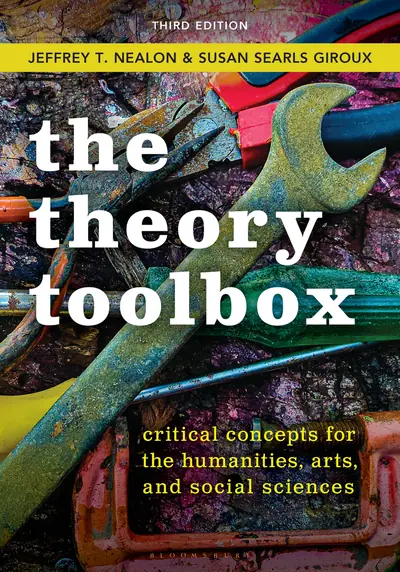
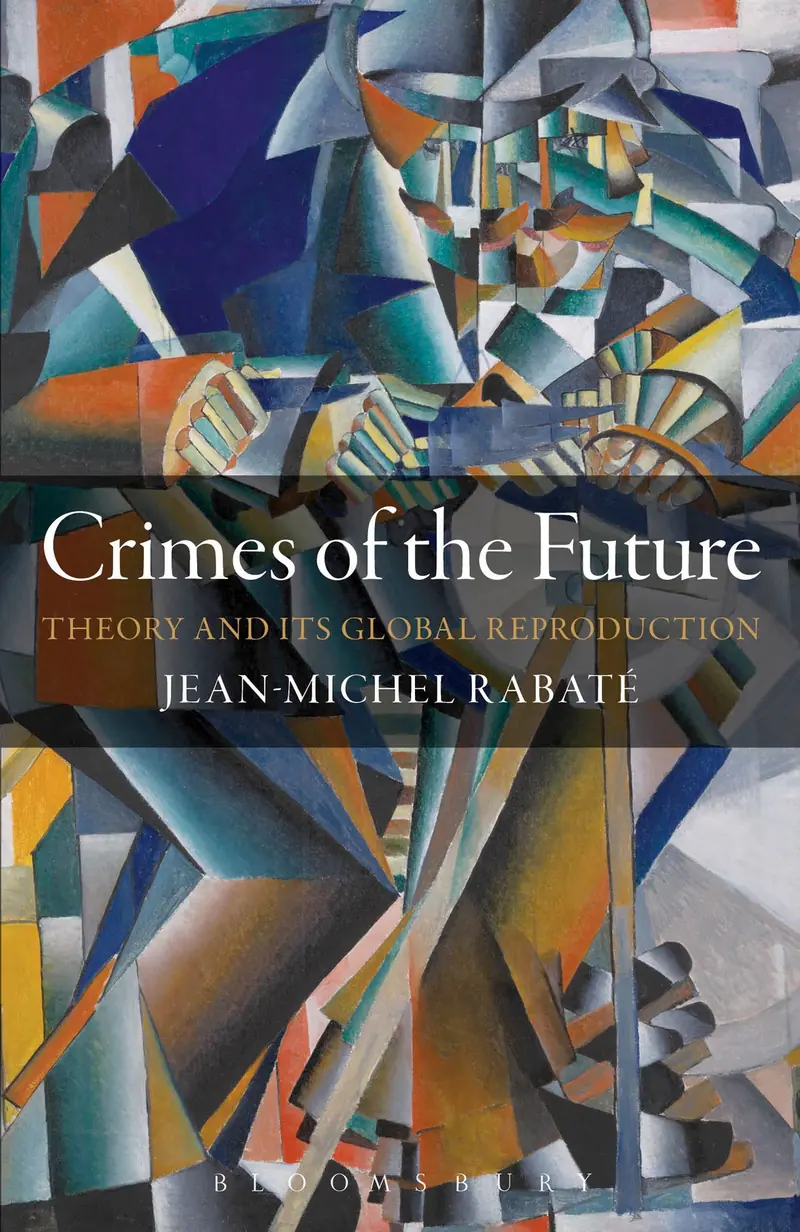
Crimes of the Future: Theory and its Global Reproduction
cover
Wish list
Share
Share this book
Readership
Crimes of the Future: Theory and its Global Reproduction
The decade since the publication of Jean-Michel Rabat.'s controversial manifesto The Future of Theory saw important changes in the field. The demise of most of the visible French or German philosophers, who had produced texts that would trigger new debates, then to be processed by Theory, has led…
Buy now $61.99
readership.com.au/book/crimes-of-the-future-theory-and-its-global-reproduction
Crimes of the Future: Theory and its Global Reproduction
Theory and its Global Reproduction
About this book
The decade since the publication of Jean-Michel Rabat.'s controversial manifesto The Future of Theory saw important changes in the field. The demise of most of the visible French or German philosophers, who had produced texts that would trigger new debates, then to be processed by Theory, has led to drastic revisions and starker assessments.
Globalization has been the most obvious factor to modify the selection of texts studied. During the twentieth century, Theory incorporated poetics, rhetorics, aesthetics and linguistics, while also opening itself to continental philosophy. What has changed today? The knowledge that we live in a de-centered world has destabilized the primacy granted to a purely Western canon. Moreover, much of contemporary theory remains highly allusive and this is often baffling for students. Theory keeps recycling itself, producing authentic returns of basic theses, terms and concepts. Canonical modern theorists often return to classical texts, as those of Plato, Kant, Hegel, Nietzsche.
And now we want to know: what is new?
Crimes of the Future explores the past, present and potential future of Theory.
Product details
ISBN
9781441172877
Published
19 June 2014
Format
Paperback
Pages
280
Dimensions
216 × 140 × 18 mm
Weight
0.366 kg
Publisher
Bloomsbury
Imprint
Bloomsbury Academic
Audience
General Adult
ISBN
9781441146342
Published
19 June 2014
Format
Hardcover
Pages
280
Dimensions
1 × 1 × 1 mm
Weight
0.001 kg
Publisher
Bloomsbury
Imprint
Bloomsbury Academic
Audience
General Adult
Best sellers in Literary Theory
You might also like

$19.99

$19.99





$19.99


Link copied